Supporting a Loved One with PTSD: Effective Tips
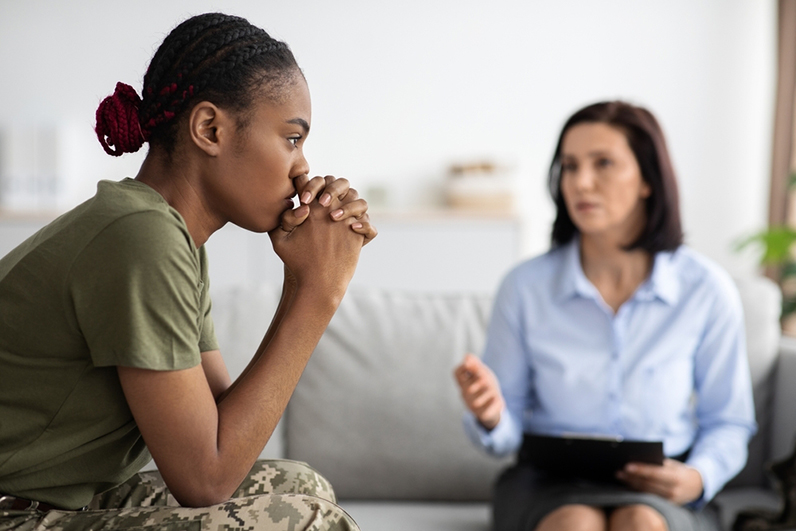
Supporting someone with PTSD can be challenging, but your involvement can make a difference. PTSD, or post-traumatic stress disorder, affects how people think and feel. It can change their moods and behaviours, often making daily life difficult.
Being there for a loved one with PTSD requires understanding, patience, and sensitivity. It’s important to approach the situation with care, as their reactions might be different from what you expect. By learning about their needs and how PTSD impacts relationships, you can offer meaningful support.
This article will guide you through ways to help your loved one without overstepping. By using the right communication techniques and respecting boundaries, you can provide support that truly benefits them. Understanding how to encourage professional help and self-care is key to promoting their well-being.
Understanding PTSD and Its Impact on Relationships
Post-traumatic stress disorder, commonly known as PTSD, can deeply affect relationships. Individuals with PTSD might experience flashbacks, nightmares, or intense feelings of stress. These symptoms can be difficult for loved ones to understand, and may lead to frustration or sadness.
PTSD can make a person more irritable or withdrawn. They may avoid places or situations that remind them of their trauma. It’s important to realise that these reactions are part of the disorder, not a reflection of their feelings towards you. This can sometimes cause strain on relationships, as the person with PTSD might struggle to share their emotions or participate in social activities.
As a loved one, understanding these behaviours is crucial. Here are a few key points to remember:
1. Be Patient: Healing takes time. Understand that progress might be slow and require ongoing support.
2. Educate Yourself: Learn about PTSD to better understand what your loved one is experiencing.
3. Listen Actively: Pay attention when they share things with you, even if it’s non-verbal cues.
By understanding the impact of PTSD, you can create a more supportive environment that strengthens your relationship.
Communication Techniques for Providing Support
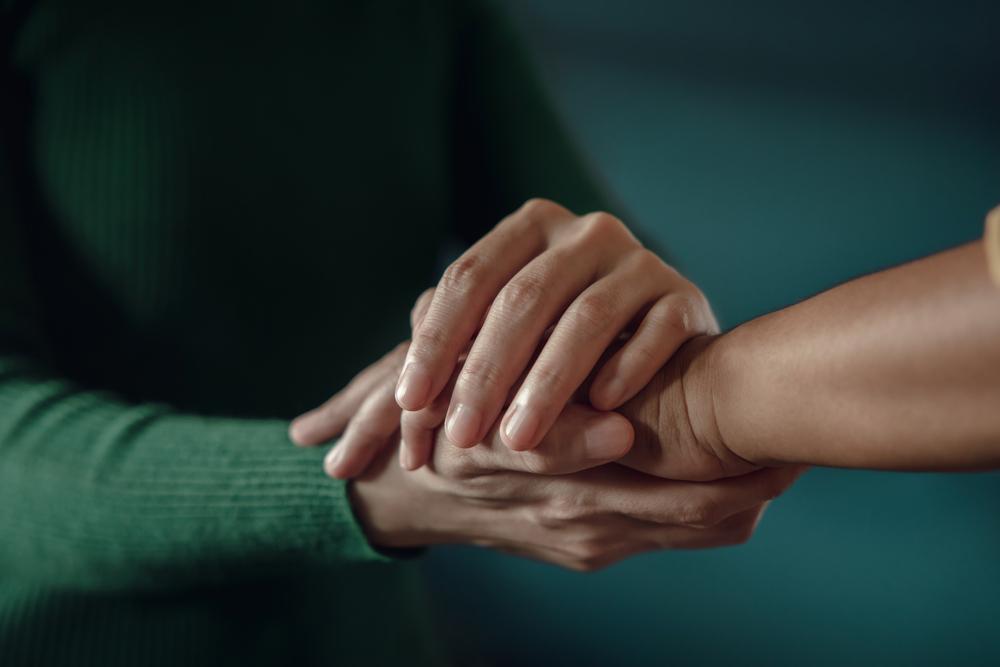
Effective communication plays a critical role in supporting someone with PTSD. Knowing how to communicate can make your loved one feel more comfortable and understood. Use clear and empathetic communication to build trust and offer support.
Here are some techniques to consider:
1. Use Open-Ended Questions: Encourage them to share by asking questions that require more than a yes or no answer. For example, “How can I support you today?” allows them to express specific needs.
2. Validate Their Feelings: Acknowledge their experiences and emotions without judgement. Statements like “I understand this is hard for you” can be comforting.
3. Be Mindful of Your Tone: Speak calmly and gently, avoiding a confrontational style that may feel threatening.
4. Offer Reassurance: Let them know you are there for them and willing to listen whenever they’re ready to talk.
5. Practice Active Listening: Show that you are engaged by making eye contact and responding to what they say, which helps them feel heard.
Good communication helps create a safe space for your loved one to express themselves freely. By using these techniques, you provide a foundation of support without overwhelming them.
Respecting Boundaries While Being Supportive
Supporting a loved one with PTSD involves respecting their personal space and boundaries. This respect fosters trust and encourages them to open up at their own pace. It’s essential to recognise what boundaries exist and not push them to share or do more than they feel comfortable with.
1. Ask Permission: Before offering advice or help, ask if they’re open to it. This shows respect for their autonomy.
2. Give Space When Needed: Everyone needs time alone sometimes, especially those with PTSD. Allow them breaks from social interactions or conversations.
3. Understand Triggers: Be aware of the people, places, or activities that might trigger their symptoms and avoid pushing them into stressful situations.
4. Be Patient with Progress: Realise that healing isn’t linear. Encourage small steps forward while being supportive if they need to slow down.
By respecting boundaries, you prevent adding stress and support your loved one in a way that’s both caring and considerate. Allowing them this control reinforces their sense of safety and comfort.
Encouraging Professional Help and Self-Care
While personal support is vital, professional guidance can offer specialised help that makes a significant difference. Encourage your loved one to seek professional assistance if they haven’t already, and promote self-care as part of their routine.
1. Suggest Seeking Help: Gently offer the idea of seeing a therapist or joining a support group. Explain the benefits without pressuring them.
2. Offer to Help Find Support: Assist in researching therapists or services that specialise in PTSD, making the process less daunting.
3. Promote Self-Care Activities: Encourage activities that help manage stress, such as yoga, meditation, or even simple routines like taking a walk.
4. Model Healthy Behaviours: Lead by example. Show them how self-care benefits your own well-being.
Emphasising the importance of professional help and exploring self-care strategies can empower your loved one. It’s about supporting them in building a path toward recovery and resilience.
Conclusion
Supporting someone with PTSD requires understanding, respect, and patience. By learning how PTSD affects relationships and communicating effectively, you can provide meaningful support. Respecting boundaries ensures you remain a source of comfort, while encouraging professional help adds another layer of valuable support.
CRL Psychiatry recognises the challenges of living with PTSD and offers resources to help navigate these complex feelings. Our team is committed to providing compassionate care and support. Reach out today to discover how we can assist you and your loved ones on the journey to better mental health through our PTSD treatments.